Pi Network: Why the Decentralized Protocol is Redefining the Future of Global Digital Currency
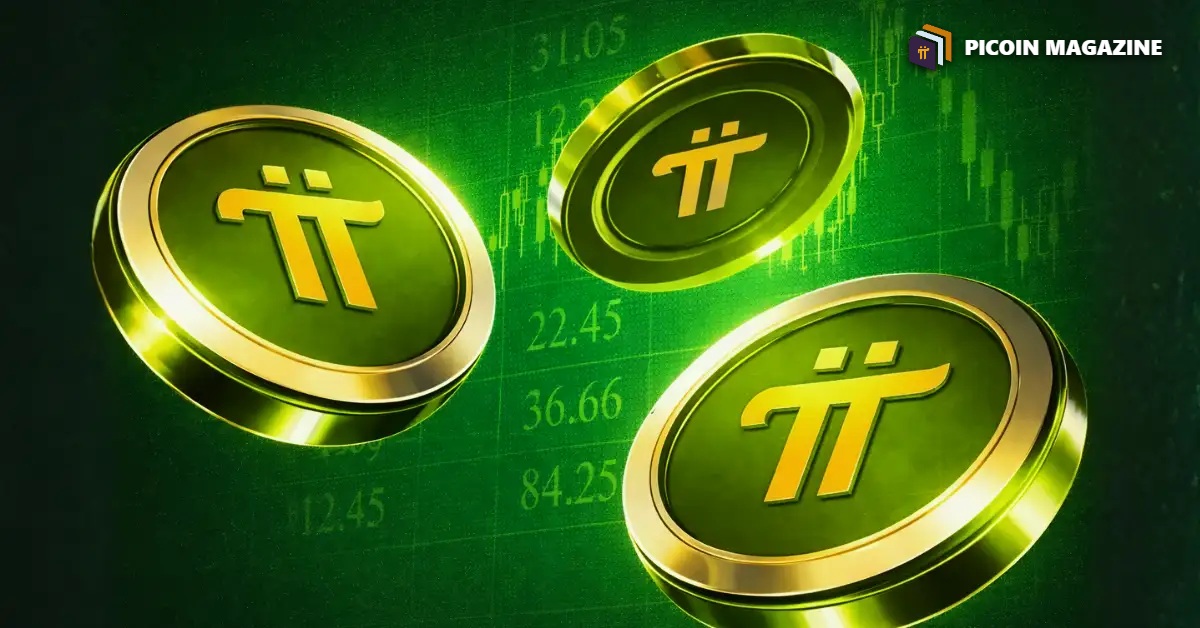
Introduction: At the Heart of a New Monetary Paradigm
Imagine a young woman in an isolated town, far from trading floors and New York stock exchanges. Without overpriced hardware, without a degree in cryptography engineering, and without starting capital. She simply owns a smartphone, and every day, with a single tap of her finger, she activates a digital routine. This simple gesture makes her a Pioneer, one of those millions of users across the globe building, stone by stone, a financial infrastructure that many deemed impossible: a digital currency designed for all of humanity.
Such is the genesis of Pi Network. Far from sterile speculative bubbles, the project questions the very essence of value and monetary sovereignty. As economist Friedrich Hayek pointed out: « I do not think it is an exaggeration to say that history is largely a history of inflation, usually inflations engineered by governments for the gain of governments. » Faced with this historical observation, the Pi ecosystem proposes a systemic alternative.
« The root problem with conventional currency is all the trust that's required to make it work. » — Satoshi Nakamoto
Pillar One: Universal Accessibility with No Barrier to Entry
Most cryptographic networks demand colossal hardware investments, advanced technical skills, or substantial initial capital before one can even interact with the protocol. Pi rejects this elitist paradigm. No energy-hungry machines are needed: a simple mobile phone is enough to join the network.
This radical accessibility opens wide the doors of the digital economy to populations traditionally marginalized by conventional banking institutions. A currency cannot claim the title of "global" if only a privileged elite can access it. Pi opts for native inclusion: every citizen of the world is invited to participate in the securing and validation effort.

Pillar Two: The Lifeblood of a Transnational Community
The value of a currency lies above all in the trust and collective adherence of the individuals who use it. The community of Pioneers spans all continents, transcending cultural and linguistic barriers. Whether testing decentralized applications (dApps), validating identities through a decentralized KYC process, or sharing technical knowledge, engagement is total.
This is not a cohort of opportunistic speculators seeking short-term profits, but a living network of contributors. As an African proverb reminds us: « If you want to go fast, go alone. If you want to go far, go together. » It is precisely this community foundation that gives Pi its structural robustness.
Pi Network's strength relies not only on its critical mass of users, but on the methodical structuring of its exchange network. By transforming each user into a conscious actor of governance, the project lays the groundwork for a true peer-to-peer economy free from traditional intermediaries.
Pillar Three: Real-World Utility and the Economy of Ecosystem Barter
A currency must first and foremost be useful, far beyond its simple speculative quotation. Pi's foundational vision rests on a digital asset that users can genuinely spend, earn, and exchange within a flourishing economy of goods and services.
- Peer-to-Peer Exchange: Enabling direct transactions between Pioneers without superfluous friction.
- Application Development: Every new dApp deployed on the network reinforces the overall utility of the protocol.
- Local Commerce: Local initiatives and merchants accepting payments in Pi transform a theoretical idea into a currency of daily use.
Pillar Four: Cutting-Edge Technological Infrastructure
It is unquestionably on the technical front that Pi distinguishes itself from ephemeral initiatives. Behind the digital asset lies a complete software architecture. The Pi Browser stands out as the natural gateway allowing Pioneers to navigate the decentralized ecosystem. Exchange protocols, launchpads for new projects, and automated market makers (AMMs) ensure liquidity fluidity and market vitality.
As Ethereum co-founder Vitalik Buterin recently analyzed: « Where most technologies tend to automate workers on the periphery doing menial tasks, blockchains automate the center. » Pi applies this philosophy by eliminating superfluous financial intermediaries in favor of a self-managed protocol.
The Challenges of Mass Adoption
No great technological adventure is written without pitfalls. Pi Network must still confirm its transition to the next scale: increased global adoption, a dense mesh of real-world merchants, and sustained liquidity depth require time and operational rigor. Nevertheless, these obstacles are those of an ecosystem in active growth. The existence of an already mature infrastructure testifies to the solidity of the foundations prepared for the next steps.
Conclusion: A Crown Built from the Ground Up
A global digital currency must belong to the world, not to a handful of insiders. It must be open to all, driven by an authentic community, useful in everyday life, and backed by robust engineering. By patiently structuring each of these pillars, Pi Network demonstrates that another monetary model is possible. Step by step, Pioneer after Pioneer, the network paves its way toward a new economic standard.
Share this dispatch with your Pioneer circles
Pioneer Community Debate & Comments
Real-time Web3 discourse · Protected by Sentinelle Shield AI